
Airbnb Anti-Party Tech: What Hosts Need for NYE
How Does Airbnb's Anti-Party Technology Work?
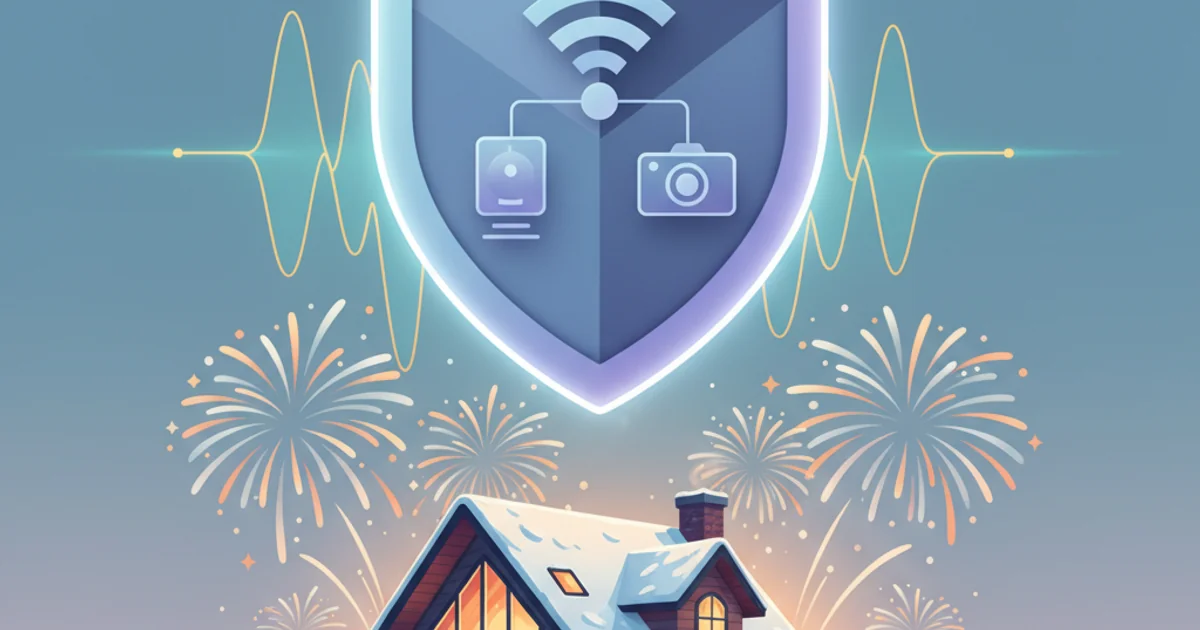
Airbnb's anti-party technology is an automated system that screens high-risk reservations to prevent unauthorized events. It uses machine learning to identify booking patterns that often lead to parties. Think of it as a smart, digital bouncer for your listing.
The system doesn't just look at one factor. It analyzes a combination of data points to calculate a 'party risk' score for certain bookings. This happens instantly when a guest tries to book.
The Core Algorithm
At its heart, the system is a predictive algorithm. It was developed after Airbnb's global party ban in 2020. The goal is to be proactive, not reactive. Instead of dealing with the aftermath of a party, the tech aims to stop the booking before it ever happens.
It focuses primarily on entire-home listings, as these are the most common targets for large, unauthorized gatherings. Private room bookings are generally not subject to these specific restrictions.
Key Risk Factors Screened
The system flags reservations based on several red flags. While Airbnb keeps the exact formula secret, it has shared the main factors it considers:
- Guest's Review History: Guests with a history of positive reviews are considered lower risk than accounts with no reviews or negative feedback.
- Booking Proximity: Last-minute bookings made by guests who live near the property are a major red flag, especially for holidays.
- Trip Duration: One or two-night reservations for New Year's Eve are flagged more often than longer stays.
- Listing Attributes: The system may consider the size of your property and the day of the week for the booking.
What Happens When a Booking is Flagged?
If a potential booking is flagged as high-risk, one of two things happens. The guest is either blocked from booking the entire home entirely, or they are redirected. In some cases, according to Airbnb's Newsroom, guests may be shown options for private rooms or hotel rooms on the platform instead. This protects hosts while still trying to help the guest find a place to stay.

What This Means for Your Hosting Business
This technology directly impacts your risk level and potential revenue during peak seasons. For most hosts, the system is a welcome layer of security. It automates a screening process that would be difficult to manage manually, especially during the busy holiday season. But it's not without potential downsides.
The Pros: More Protection, Less Worry
The benefits are clear. The system significantly reduces the chances of your property being used for an unauthorized party. This means less risk of property damage, fewer complaints from neighbors, and a lower chance of having your listing suspended. It helps you protect your investment and maintain a good reputation in your community.
The Cons: Potential for Lost Bookings
The main concern for hosts is losing out on legitimate bookings. What if a responsible local family needs a place to stay for one night due to a home emergency? The system might accidentally flag them. While this is possible, Airbnb's data suggests the benefits far outweigh this small risk. The financial and emotional cost of one destructive party is much greater than the revenue from one missed booking.
Proactive Steps Hosts Can Take Beyond the Tech
Relying solely on Airbnb's technology is a passive strategy; active hosts take extra steps to protect their properties. Think of Airbnb's system as your first line of defense. Your own policies and procedures are the critical backup.
Reinforce Your House Rules
Your House Rules are your contract with the guest. Make them crystal clear. Explicitly state "No parties or events" and specify the maximum occupancy. Don't hide these rules at the bottom of your description. Put them front and center so there is no confusion. This gives you grounds for cancellation if a guest violates your policy.
Enhance Your Guest Screening
Even with Instant Book, you can set booking requirements. More importantly, use pre-booking and post-booking messages to vet your guests. Ask about the purpose of their trip. A simple, friendly question can reveal a lot. Pay attention to their answers and communication style. For more ideas, check out our guide to automating guest communication to build rapport from the start.
Use Smart Home Technology
Technology can provide peace of mind. Noise monitoring devices can alert you if decibel levels get too high, allowing you to address the issue before it becomes a full-blown party. Smart locks let you control access and monitor who is entering the property.
Crucially, you must disclose any surveillance or monitoring devices in your listing. Airbnb has strict rules on this. You can learn more by reading the official Airbnb Help Center article on security devices. Transparency is key to building trust with guests.
Actionable Takeaways
Airbnb's anti-party technology is a powerful tool, but it's not a complete solution. It's designed to stop the most obvious high-risk bookings around major holidays like New Year's Eve. For hosts, it means less worry about your property becoming a headline.
However, you must remain vigilant. The best approach combines Airbnb's tech with your own smart hosting practices. This creates multiple layers of security for your business.
Here is your action plan:
- Update Your House Rules: Log in to Airbnb today and make sure your 'no party' rule is clear and prominent.
- Refine Communication: Review your automated messages. Add a polite question about the purpose of the guest's visit.
- Consider Tech: Research disclosed noise monitoring devices before the holiday rush begins.
Taking these steps ensures your listing is not only protected but also optimized. For a deeper dive, review how Airbnb search ranks listings to make sure your well-protected listing gets seen by the right guests.
Get the Right Guests in the First Place
While Airbnb's tech helps prevent bad bookings, attracting the *right* guests is just as important. A professional, well-optimized listing signals quality and discourages party-seekers from the start. High-quality photos and clear descriptions attract responsible travelers who will treat your home with respect. Hostmatic's listing optimization service can help ensure your property stands out for all the right reasons, making your job easier year-round.
Want to dive into your booking analytics and uncover what drives bookings?
Get StartedNewsletter
Get hosting tips in your inbox
Strategies, trends, and insights. No spam.