
The $47 Amenity That Turns One-Time Guests Into Regulars
Most Hosts Are Spending Money on the Wrong Things
A host in Asheville told me she'd just spent $4,200 on a new outdoor fire pit. Great feature. Zero repeat bookings in the six months since.
Meanwhile, a host in the same market — similar property, similar price point — was pulling a 34% repeat booking rate. Her secret? A $47 welcome ritual she'd been running for two years.
No hot tub. No smart TV upgrade. No custom mural.
When I dug into the booking patterns we track across hundreds of properties, a clear signal emerged: the hosts with the highest vacation rental repeat guest rates weren't the ones with the fanciest amenities. They were the ones who'd figured out something most hosts overlook entirely — the psychology of reciprocity.
This article breaks down exactly what that ritual is, why it works, and how you can copy it this week for under $50.
Why Expensive Upgrades Don't Drive Repeat Guests
Here's the conventional wisdom in short-term rental circles: upgrade your property, get better reviews, get more bookings.
That's not wrong. But it's incomplete — especially when it comes to repeat bookings.
Hardware upgrades (hot tubs, EV chargers, game rooms) are great for attracting new guests searching for specific amenities. They show up in filters. They photograph well. They justify a higher nightly rate.
But they don't make a guest feel anything personal. A hot tub doesn't know your name. A smart TV doesn't remember you came back.
Research published in the Cornell Hospitality Quarterly has consistently shown that emotional connection — not physical amenities — is the primary driver of hospitality loyalty. Guests return to places where they felt seen. Not places where they felt impressed.
That distinction matters a lot when you're deciding where to spend your next $500.
The Reciprocity Principle (And Why It's Perfect for STR)
Robert Cialdini's foundational work on influence identifies reciprocity as one of the most powerful drivers of human behavior. The principle is simple: when someone gives us something unexpected and personal, we feel a deep psychological pull to give something back.
In a hotel, that might mean a complimentary upgrade. In a vacation rental, it means something far cheaper — and more memorable.
The key word is unexpected. A welcome gift that guests anticipate (because it's listed in your amenities) loses most of its psychological power. The surprise is the mechanism. Take away the surprise, and you've just added a line item to your cost basis.
This is why hosts who mention their welcome basket in their listing description see a polite "thank you" in reviews. Hosts who don't mention it see guests raving about it — and coming back.
The $47 Welcome Ritual That Actually Works
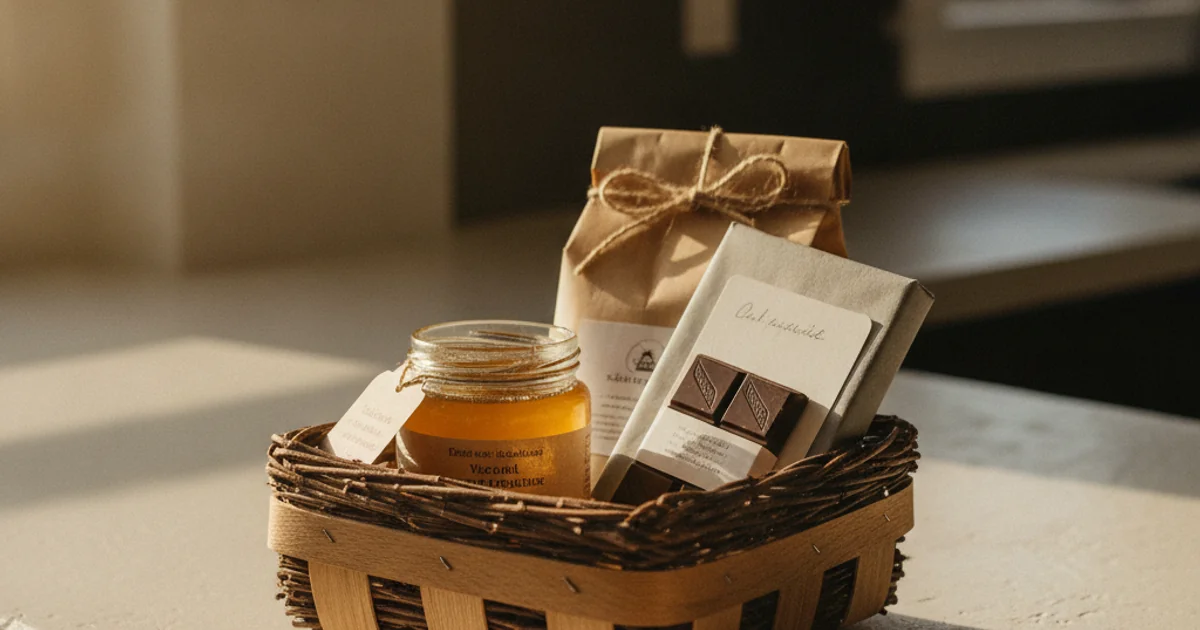
Across the properties in our data with the strongest guest retention, one pattern shows up repeatedly: a small, locally-sourced welcome basket delivered with a handwritten note addressed to the guest by name.
That's it. That's the whole thing.
The specifics matter though. Here's what the high-retention version looks like versus the version that doesn't move the needle:
What's Actually in the Basket
The hosts seeing the best results keep it tight: three to five items, all locally sourced. A small jar of local honey. A bag of coffee from a nearby roaster. A chocolate bar from a local maker. Maybe a small bottle of hot sauce if your area has one people love.
Total cost: $25–$47 depending on your market.
What doesn't work: a $12 grocery store gift basket with national brands. Guests don't feel anything when they see a Ghirardelli bar and a Keurig pod. They feel something when they see a jar labeled "Smoky Mountain Wildflower Honey — Harvested 4 miles from here."
The local sourcing is doing most of the emotional work. It signals that you know your area, that you curated this specifically, and that you thought about their experience before they even arrived.
The Handwritten Note Is Non-Negotiable
Every host I've talked to who skipped the note and just left the basket reported significantly lower impact. The note is where the reciprocity trigger fires.
It doesn't need to be long. Four sentences is plenty:
- Address them by first name (get it from your booking confirmation)
- Welcome them specifically ("We're so glad you chose to spend your anniversary weekend here")
- Point out one item in the basket and why you included it
- Sign it with your name — not "The Host" or "The Management Team"
That personal reference in sentence two is the most important line. It shows you read their booking. You know why they're there. You're not running a conveyor belt — you're welcoming a person.
Hosts who manage multiple properties often ask me: "Can I automate this?" My honest answer: you can automate the trigger (a message from your PMS with the guest's name and trip purpose), but the note itself needs to be handwritten. A printed "handwritten-style" font doesn't work. Guests notice. And when they notice, the whole mechanism falls apart.
The Repeat Booking Mechanics: What Happens Next
Here's where it gets interesting from a data perspective.
The welcome ritual doesn't just make guests feel good in the moment. It changes how they talk about the property — and to whom. Guests who receive an unexpected, personalized welcome are significantly more likely to:
- Leave a detailed review that mentions the host by name
- Share the property on social media (unprompted)
- Recommend it directly to friends and family
- Return for a future trip — often within 12 months
That last point is the one that compounds. A guest who books twice is worth two to three times what a one-time guest is worth in lifetime revenue — and they typically don't come through Airbnb the second time. They email you directly. They book your direct site. They text you.
That's how a $47 basket turns into a $600 commission-free booking.
Hosts who track their direct bookings carefully — using attribution data to see which guests came back through direct channels versus OTAs — often find that their repeat guests cluster around specific time periods. Summer guests come back the following summer. Holiday guests become annual traditions. When you know this pattern, you can reach out proactively. "Hey, you stayed with us last July — our calendar just opened for the same week this year." That message converts at a rate that no paid ad can touch.
How to Set This Up Without It Feeling Like a System
The biggest risk with systematizing a personal touch is that it stops feeling personal. Here's how to keep the authenticity intact at scale:
Step 1: Build Your Local Supplier List
Spend one afternoon identifying three to five local producers near your property. Farmers markets are the fastest way to find them. Look for items with visible local branding — the origin story matters. Buy in small batches (6–12 units) so you're restocking regularly and the products stay fresh.
Step 2: Create a Note Template (Not a Script)
Write a note framework with blanks for the guest's name, trip purpose, and one personal detail from the booking. Fill in the blanks by hand for each guest. This takes four minutes per booking. It is four of the highest-ROI minutes you will spend on your property this month.
Step 3: Don't List It as an Amenity
This is the counterintuitive part. Do not mention the welcome basket in your listing. Do not photograph it. Do not reference it in your pre-arrival message. The surprise is the whole point. The moment it becomes an expectation, it loses its power as a reciprocity trigger.
Some hosts worry this means they "can't use it as a selling point." But here's the thing — you don't need to. The guests who experienced it will sell it for you in their reviews. "I was not expecting the beautiful local welcome basket with a handwritten note" is a review sentence that converts future guests better than any amenity bullet point you could write.
Step 4: Track Who Comes Back
This step is where most hosts drop the ball. They do the ritual, get great reviews, and then have no idea whether it's actually driving repeat bookings — because they're not tracking it.
If you have a direct booking site, set up proper attribution so you can see when a guest who previously booked through Airbnb returns via your direct channel. That gap — OTA first booking, direct second booking — is the financial proof that the ritual is working. It's also the moment you start saving the 15–18% commission on every future stay from that guest.
Tracking your direct vs. OTA booking split is something I'd encourage every host to look at monthly. When you see that ratio start shifting toward direct, and you can tie it back to specific guest cohorts, that's when the math of hospitality investment becomes very clear.
Key Takeaways
- Hardware upgrades attract new guests. Personal rituals retain them. The data consistently shows that emotional connection — not amenity count — drives repeat bookings.
- The $47 welcome basket works because of reciprocity psychology. An unexpected, personalized gift triggers a deep psychological response that expensive expected amenities never do.
- Local sourcing is doing the emotional heavy lifting. National brands feel generic. Local products signal curation, care, and place.
- The handwritten note is non-negotiable. Four sentences, addressed by name, referencing why they're there. Skip it and the basket is just a snack.
- Don't list it as an amenity. The surprise is the mechanism. Remove the surprise and you remove the power.
- Track repeat bookings by channel. The real payoff is when a guest who found you on Airbnb returns via your direct site — commission-free. You need attribution data to see that happening.
Your Action Plan This Week
Saturday morning: visit your local farmers market and identify two or three local producers. Spend $40–50 on a small inventory of welcome items.
Sunday afternoon: write your note framework. Four sentences, with blanks for name and trip context. Print 10 copies to keep near your supplies.
Before your next check-in: fill in the note by hand, assemble the basket, and leave it on the kitchen counter where guests will see it first.
Then watch your reviews. And watch your repeat booking rate over the next six months.
The hosts who've been doing this for a year or two don't talk about it much on BiggerPockets forums — partly because they're busy taking repeat bookings, and partly because they'd rather not hand the advantage to every host in their market. Now you know what they know.
If you want to see whether your repeat booking rate is actually improving — and whether those returning guests are coming back direct or through OTAs — that's exactly the kind of pattern our booking attribution reports surface. Once you see it in the data, the $47 basket stops feeling like a nice touch and starts looking like the highest-return line item in your vacation rental marketing strategy.
Want to dive into your booking analytics and uncover what drives bookings?
Get StartedNewsletter
Get hosting tips in your inbox
Strategies, trends, and insights. No spam.